
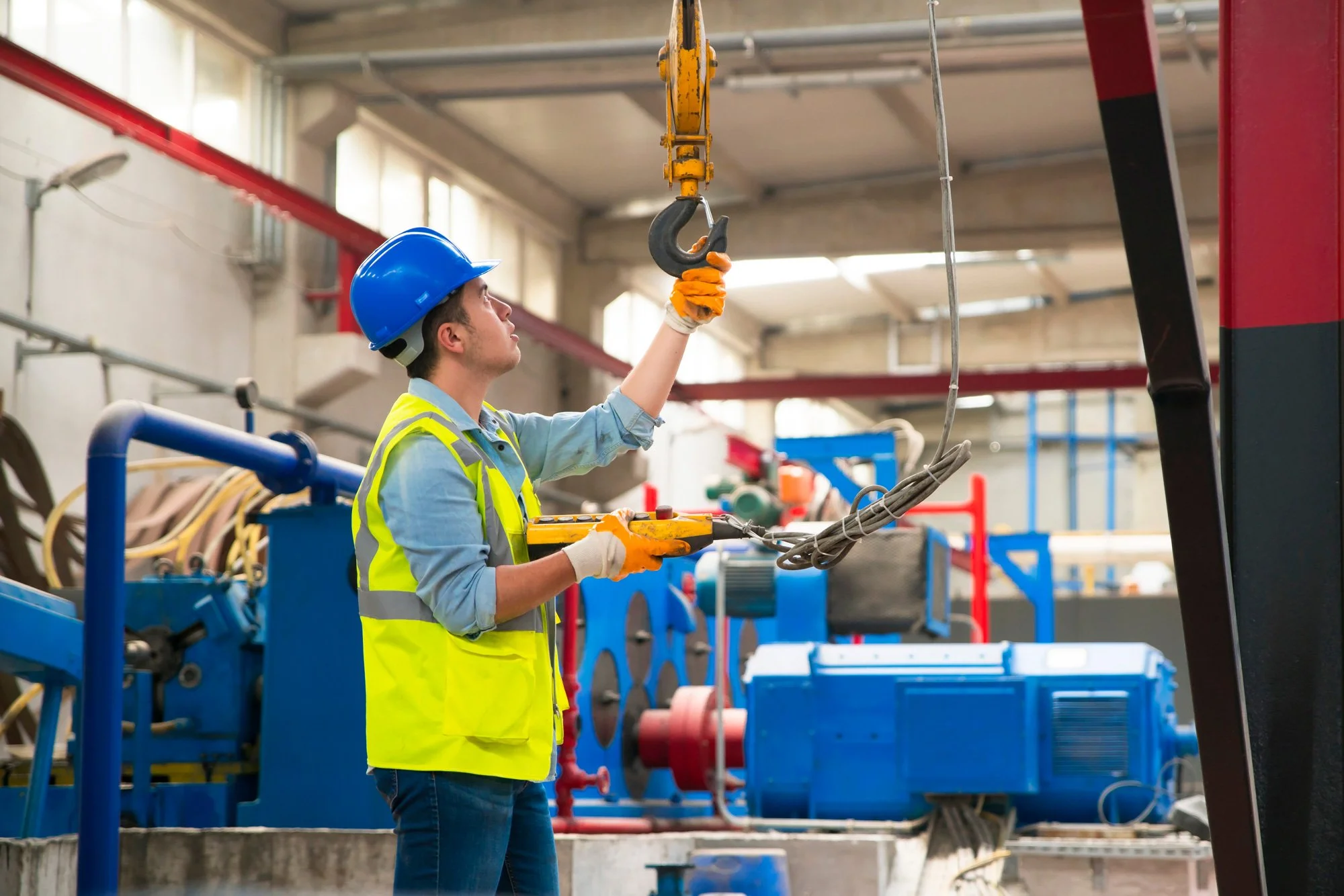
The Importance of Regular Crane Servicing: Ensuring Safety and Maximising Efficiency
BLOG
When it comes to industrial cranes and hoists, safety and efficiency are paramount. Regular crane servicing and crane maintenance play a vital role in ensuring the optimal performance and longevity of critical lifting equipment.
At Eurocrane, we are a highly experienced and LEEA-approved company that understands the significance of proactive maintenance, inspections, and repair support. In this article, we explore the importance of regular crane servicing and the comprehensive support available to help businesses enhance safety, minimise downtime, and maximise operational efficiency.
What Is Included in a Crane Service?
A professional crane service involves far more than a simple visual inspection. The purpose of crane servicing is to identify wear, reduce the risk of breakdowns, and ensure lifting equipment continues to operate safely and efficiently.
A typical crane service may include:
Inspection of lifting mechanisms and wire ropes
Hook and lifting accessory inspections
Structural assessments
Regular crane maintenance helps identify potential faults before they become expensive repairs, reducing downtime and improving reliability across your lifting operations.
Ensuring Safety
Regular crane servicing is essential to maintain the highest levels of safety in the workplace. Over time, components and systems within cranes can experience wear and tear, potentially leading to hazardous situations.
Eurocrane's team of skilled technicians conducts thorough inspections and assessments of key crane components, including structural integrity, electrical systems, brakes, and lifting mechanisms. By identifying and addressing potential issues before they escalate, Eurocrane's servicing helps prevent accidents, protect personnel, and ensure compliance with safety regulations.
Regular crane servicing also supports safe lifting practices by ensuring load-bearing components, safety devices, limit switches, and braking systems continue to operate correctly. Even minor faults can develop into major safety concerns if left unchecked, which is why preventative maintenance remains one of the most effective ways to reduce operational risk.
Enhancing Reliability
Industrial cranes and hoists are subjected to demanding work environments, and their reliability is crucial to uninterrupted operations. Eurocrane's servicing procedures focus on detecting and resolving potential failures or malfunctions that may disrupt productivity.
Through comprehensive inspections and testing, Eurocrane's technicians identify any signs of wear, fatigue, or degradation in critical components. By addressing these issues proactively, Eurocrane helps minimise unexpected breakdowns, reducing costly downtime and optimising the overall efficiency of the lifting equipment.
For businesses relying on overhead cranes and hoists every day, even a short period of downtime can have significant operational consequences. A structured crane maintenance programme helps identify issues early, reducing the likelihood of unexpected failures and costly disruption.
Common Problems Found During Crane Servicing
Many crane faults develop gradually and may not be immediately visible to operators, some of the most common issues identified during crane servicing include:
Excessive wear on wire ropes
Damaged hooks and lifting accessories
Brake deterioration
Electrical faults and damaged cabling
Gearbox wear
Misalignment of crane rails
Corrosion and structural fatigue
Early identification of these issues allows repairs to be completed before they affect productivity or compromise safety. In many cases, routine servicing can prevent the need for more extensive crane repair work later.
Extending Equipment Lifespan
Investing in high-quality cranes and hoists represents a significant capital expenditure for businesses. Regular servicing and maintenance performed by Eurocrane's experts can significantly extend the lifespan of these assets. By implementing proper lubrication, replacing worn-out parts, and conducting timely adjustments, Eurocrane ensures that the equipment operates within its design parameters.
This proactive approach helps prevent premature wear and damage, ultimately maximising the lifespan and return on investment of the crane systems. Whether operating overhead cranes, jib cranes, or systems requiring gantry crane repair support, preventative maintenance remains one of the most cost-effective ways to maximise asset lifespan..
Compliance with Industry Standards
Crane operations are subject to stringent industry standards and regulations. Eurocrane's servicing packages are designed to meet or exceed these standards, ensuring compliance and reducing the risk of penalties or legal issues.
As a LEEA-approved company, Eurocrane follows best practices and industry guidelines in its servicing processes. By partnering with Eurocrane, businesses can ensure their lifting equipment receives the servicing, maintenance, and independent crane examination services required to support compliance with current legislation and industry best practice..
What's the Difference Between Crane Servicing and LOLER Inspections?
Crane servicing and LOLER inspections are often confused, but they serve different purposes.
Crane servicing focuses on preventative maintenance, performance, and reliability. During a service, engineers inspect components, make adjustments, replace worn parts, and identify potential issues before they cause failures.
A LOLER Thorough Examination is a legal inspection carried out by a competent person to assess whether lifting equipment remains safe for continued use.
Tailored Servicing Packages
Eurocrane understands that different cranes have unique requirements based on their design, usage, and operating conditions. To cater to these diverse needs, Eurocrane offers customised servicing packages. Whether it's a bridge crane, jib crane, gantry crane, or hoist, Eurocrane's technicians are trained to identify and address specific maintenance needs.
These tailored servicing packages cover preventive maintenance, lubrication, load testing, electrical system inspections, and comprehensive checks of critical components. By providing a personalised approach, Eurocrane ensures that each crane receives the attention and care it requires.
Emergency Repairs and 24/7 Support
Crane breakdowns can lead to costly production delays and operational disruptions. Eurocrane understands the urgency in such situations and offers emergency repair services to promptly address unexpected failures. Their team of skilled technicians is available 24/7 to respond to emergencies and resolve issues efficiently. This quick response time minimises downtime, helps businesses get back on track swiftly, and reinforces Eurocrane's commitment to customer satisfaction.
Regular crane servicing is a vital aspect of ensuring safety, reliability, and efficiency in industrial operations. Eurocrane's comprehensive range of servicing packages, tailored to meet the unique needs of different crane systems, offers businesses peace of mind.
By adhering to industry standards, proactively addressing maintenance needs, and providing emergency repair services, Eurocrane helps organisations optimise their crane operations, reduce downtime, and enhance workplace safety. Investing in regular crane servicing with Eurocrane is an investment in long-term success and a testament to the commitment towards safety and operational excellence.
posted by eurocrane
Frequently Asked Questions about Crane Servicing
-
The frequency of crane servicing depends on the type of equipment, operating environment, and usage levels. Most businesses follow manufacturer recommendations alongside a planned maintenance schedule to reduce downtime and maintain reliability.
-
A crane service typically includes inspections of structural components, lifting mechanisms, electrical systems, brakes, wire ropes, hooks, and safety devices. Engineers may also lubricate components, make adjustments, and identify parts requiring replacement.
-
While specific servicing intervals are not always prescribed by law, employers have a legal duty under PUWER to ensure work equipment remains safe and properly maintained. Regular servicing is one of the most effective ways to demonstrate compliance.
-
Crane servicing focuses on maintenance and performance, while a LOLER Thorough Examination is a legal inspection that assesses whether lifting equipment remains safe for use. One does not replace the other.
-
Yes. Regular crane servicing helps identify wear and potential faults before they develop into major failures, reducing the likelihood of unexpected breakdowns and costly operational disruption.