
How Often Should A Hoist Be Serviced?
BLOG
In any busy industrial or manufacturing facility, hoists are the workhorses that do the heavy lifting - literally. Whether they are electric chain hoists, wire rope hoists, or manual blocks, these machines are under constant mechanical stress. A common question we hear from site managers across the UK is: "how often should a hoist be serviced?".
Getting the frequency right is a delicate balance. Service it too rarely, and you risk a dangerous mechanical failure or costly downtime. Service it too often without a plan, and you may be spending more than necessary.
Understanding the Difference: Service vs. Inspection
Before we dive into the "how often," it is important to distinguish between a Thorough Examination (LOLER) and a Service (PUWER).
The Inspection (LOLER): This is a legal requirement to ensure the equipment is safe to operate. It is a snapshot of safety.
The Service (Maintenance): This is a proactive mechanical intervention. It involves lubrication, adjustments, and the replacement of wearing parts. While LOLER tells you if it is safe, a service ensures it stays safe and efficient.
Under the Provision and Use of Work Equipment Regulations (PUWER 1998), you have a legal obligation to ensure that work equipment is maintained in an efficient state, in efficient working order, and in good repair.
The Short Answer: How Often Should a Hoist Be Serviced?
For most standard industrial applications, a professional hoist service should be carried out at least once every 12 months. However, this is a baseline. The actual frequency depends on three main factors:
1. Intensity of Use (Duty Cycle)
A hoist that lifts its maximum capacity fifty times a day requires far more frequent attention than a hoist used once a week for light loads. If your equipment is operating on a multi-shift basis or constantly lifting near its Safe Working Load (SWL), we often recommend six-monthly or even quarterly servicing.
2. The Operating Environment
The environment plays a massive role in component wear. Hoists operating in the following conditions often require more frequent servicing:
High-dust environments (e.g., cement or woodworking plants)
Corrosive atmospheres (e.g., chemical processing or coastal locations)
Extreme temperatures (e.g., foundries or cold storage)
3. Manufacturer Guidelines
Every hoist comes with a manufacturer’s recommendation. Failing to adhere to these can not only compromise safety but can also void your equipment's warranty.
The Eurocrane Intensive Multi-Point Check
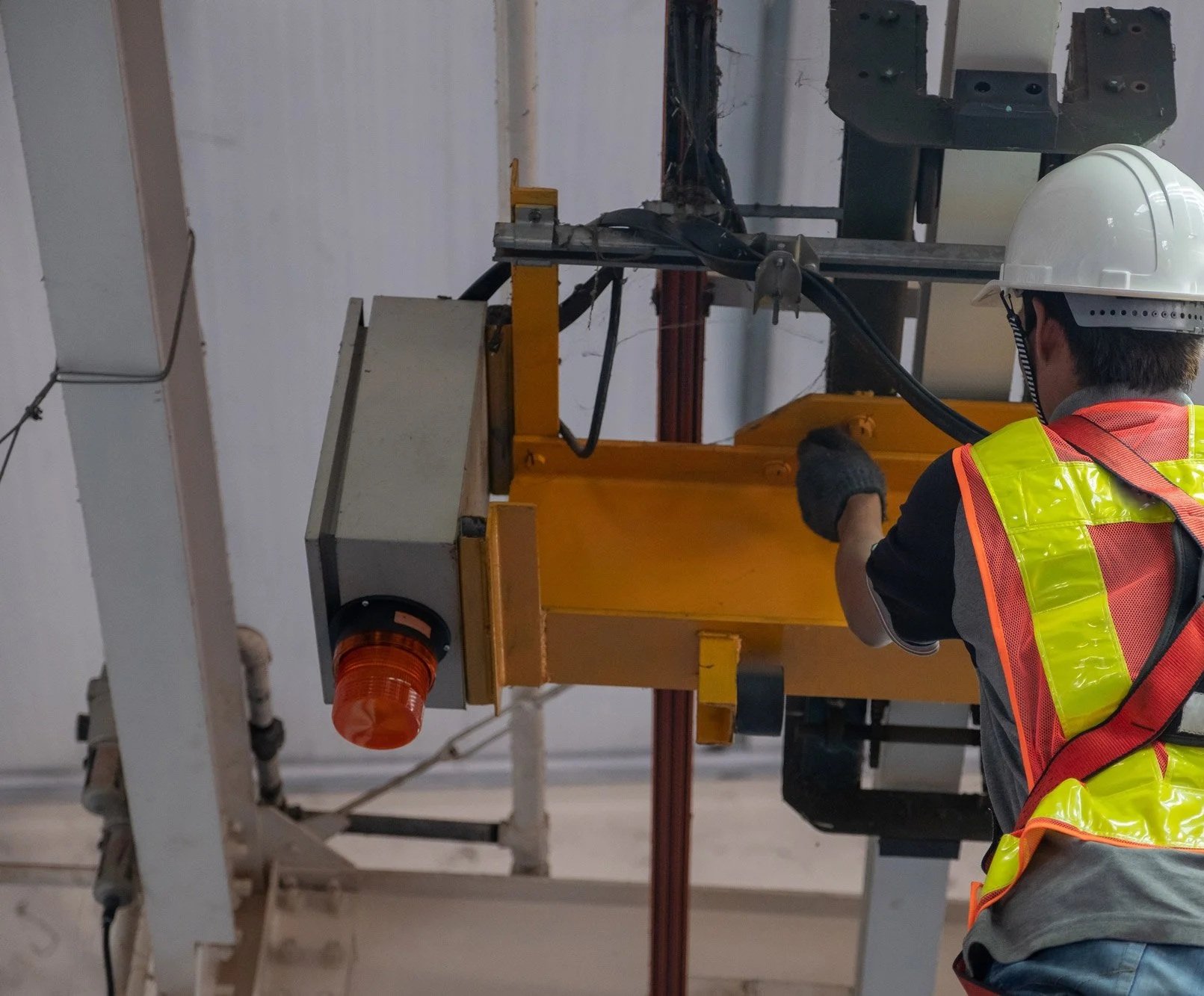
When Eurocrane visits your site for a dedicated hoist service, we don't just have a look. Our LEEA-qualified engineers perform an intensive multi-point check designed to catch minor wear before it becomes a major breakdown. This includes:
Brake Calibration: Ensuring the hoist stops precisely and holds the load securely.
Chain and Rope Lubrication: Reducing friction and preventing corrosion.
Contactors and Control Gear: Inspecting electrical components for signs of "pitting" or wear.
Limit Switches: Testing safety cut-offs to prevent over-travel.
Hook and Housing Inspection: Checking for deformities or cracks in the load-bearing structure.
Once complete, you receive a detailed digital report via our portal, providing a transparent record of all work carried out and any recommendations for future renewals.
The Benefits of Proactive Maintenance
Choosing a tailored service package from Eurocrane offers more than just compliance; it offers peace of mind.
Minimising Disruption
We understand that production stops for no one. That’s why we take a proactive approach to scheduling. We contact our clients four weeks in advance of a scheduled visit. This allows you to plan your production around the maintenance, ensuring our engineers have the access they need without halting your workflow unexpectedly.
Preventing Surprise Breakdowns
Emergency repairs are expensive. Not only do you pay for the rapid response, but you also lose money every hour the hoist is out of action. Preventive maintenance identifies worn components (like brake pads or contactors) and replaces them during scheduled visits.
Maximising Asset Life
Lifting equipment is a significant capital investment. Regular servicing significantly extends the working life of your hoists, ensuring you get the best possible return on investment over the years.
Bespoke Plans for Your Business
At Eurocrane, we don't believe in one-size-fits-all solutions. Whether you need overhead crane maintenance, gantry repairs, or dedicated hoist servicing, we build a plan around your usage and your environment.
Our engineers work closely with you to develop a schedule that satisfies PUWER regulations while genuinely improving the reliability of your machinery.
Schedule Your Hoist Service Today
Are you unsure when your hoists were last professionally serviced? Don’t leave your operational safety to chance. Our team is ready to help you build a maintenance schedule that keeps your business moving safely and legally.
Contact Eurocrane today via the form below to discuss our bespoke service and maintenance packages or to schedule a visit from one of our expert engineers.